Current Focus
Developing the UIDL (UI Definition Language) and DTCG-compliant token governance.
Most design systems fail at scale because they lack a delivery pipeline. We are building the infrastructure to turn design decisions into governed code, ensuring consistency that survives real shipping pressure.
A design system provides the component library; DesignOps provides the operating model. We are creating the governance layer that ensures what is defined in design tools is exactly what lives in your repository.
Developing the UIDL (UI Definition Language) and DTCG-compliant token governance.
A deterministic transpilation engine that eliminates manual handoff and design drift.
Native Figma synchronization and CI/CD integration.
The issue is not the quality of your Figma components. It is the operational gap between design intent and shipped code. Without an automated pipeline to govern how tokens and components evolve, your system begins to decay from the very first sprint.
Companies that have fully automated their design system today.
Teams facing critical difficulty maintaining visual consistency.
Source: Design Systems Report 2025, zeroheight. View report.
Same component, different spacing in Figma and production. Developers patch it manually under deadline pressure.
Design Foundry validates tokens and component rules before code push, so drift is blocked before it reaches production.
Product launches slow down when visual QA becomes rework instead of a final confidence check.
Design Foundry does not guess your code. We treat design decisions as structured data. By using rules-based transpilation, we ensure that your UI specs stay synchronized across platforms and versions.
Implementation of the W3C Design Tokens Community Group (DTCG) standard for a single source of truth.
Semantic versioning applied to design infrastructure, enabling safe and auditable updates.
Rules-based conversion keeps design intent and shipped code aligned from source to release.
Roadmap-driven integrations with Figma and CI/CD to reduce manual handoff across the full delivery flow.
Work in progress: this flow represents the product direction, and some capabilities are still being rolled out.

01 System Core
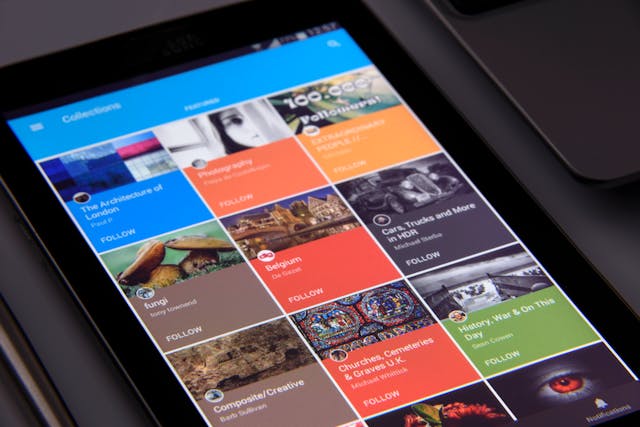
Configure color, type, spacing, and sizing foundations. Use natural language through the Design Agent or import existing style packs.
Every decision is tokenized into a platform-ready source of truth that can be governed and versioned.
02 Orchestration
Components inherit tokens automatically. Apply global or targeted updates with structured commands.
Consistency propagates across buttons, cards, inputs, and states without manual rework.

03 Governance
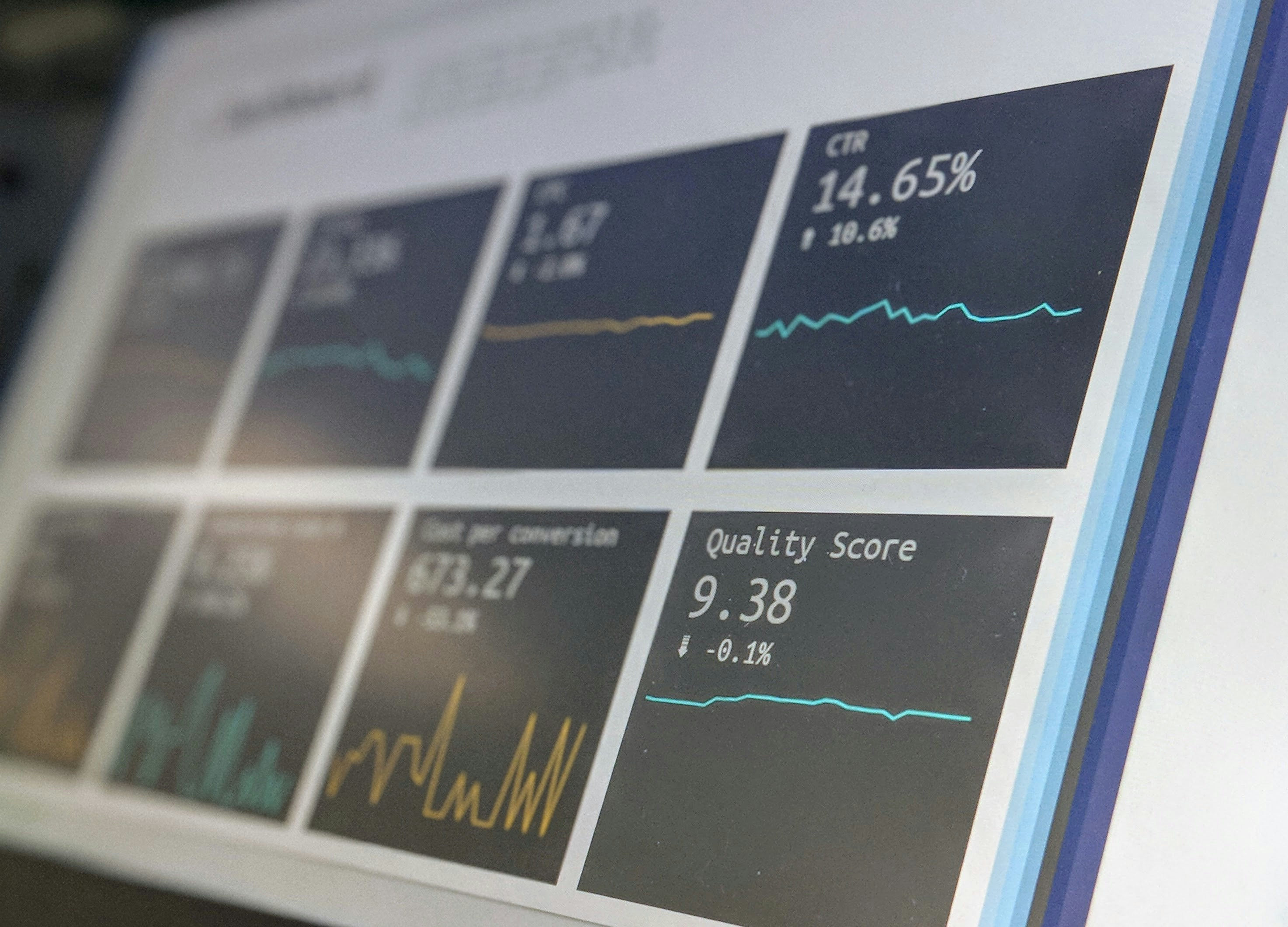
Automated checks enforce contrast, accessibility (WCAG), and visual consistency at package level.
Validation blocks orphan tokens and style drift before export, reducing rollback risk.
04 Delivery
Release managed versions, publish brand kits to registries like npm, or push to repositories as production-ready code.
Post-release roadmap includes bidirectional Figma sync and observability analytics.
Photos: Balazs Ketyi on Unsplash, AS Photography on Pexels, Campaign Creators on Unsplash, and Stephen Dawson on Unsplash.
We use AI as controlled infrastructure for DesignOps operations, not as an uncontrolled design generator.
"If AI is already generating too many components and too much noisy content, why add more AI?"
Because this AI is not a freeform drawing engine. It operates with full design system context and executes within platform constraints.
Design direction stays with your team. Design Foundry uses specialized agents to run system operations, enforce token and component rules, and produce traceable outputs that must comply with defined constraints.
Final Objective
Eliminate manual handoff as a delivery dependency.
The end state is a governed design-to-code pipeline where teams ship faster, reduce hardcoded drift, and keep product consistency intact at enterprise scale.
Operating Guardrails
Full design system context before any generation.
Token and component rules enforced before delivery.
Traceable outputs that map back to governed decisions.
Proposed pricing structure. Personal is for one user; team plans are available under Organizations.
During Early Access, we are not charging. The prices below are proposed reference pricing for general availability.
| Feature | Explorer | Pro |
|---|---|---|
| Price | Free | $14.99 / month |
| Users | 1 | 1 |
| Projects | 1 | 5 |
| AI Credits | 25k / month | 150k / month |
Education Plan
We also offer an Education plan for universities, bootcamps, and student teams. Contact us for eligibility and academic pricing.
Stay Updated
Join the email list to receive roadmap updates, pricing changes, and general availability announcements.
By submitting your email, you consent to receive product updates, research progress updates, and launch announcements from Design Foundry. You can unsubscribe at any time.